10 Ways Custom Packaging Can Boost Your Restaurant’s Branding
January 22, 2025How to Choose the Right Packaging Materials for Your Product
February 7, 2025The packaging industry keeps moving, pushed along by sustainability commitments, new technology and changing customer expectations. Here is what is shaping packaging in 2026 — and, more usefully for a small business, what each trend actually means when you are ordering your next run of custom printed paper bags or plastic bags.
1. Sustainable materials as the default, not the upgrade
Recycled kraft, compostable films and responsibly sourced board have moved from a premium option to an expected one. Closed-loop recycling and reusable models keep gaining ground, and customers increasingly notice when packaging is obviously disposable.
What it means for you: ask for recycled kraft or recyclable film when you quote. On most products it is now a like-for-like swap rather than a significant cost jump, and it gives you something honest to say on the bag itself.
2. Reusable and refillable systems
Brands are building refill and return programmes to cut waste and keep customers coming back. Reusable bags sit at the accessible end of this: canvas totes and non-woven shoppers cost more per unit but get carried for months, which changes the cost-per-impression maths entirely.
3. Smart and interactive packaging
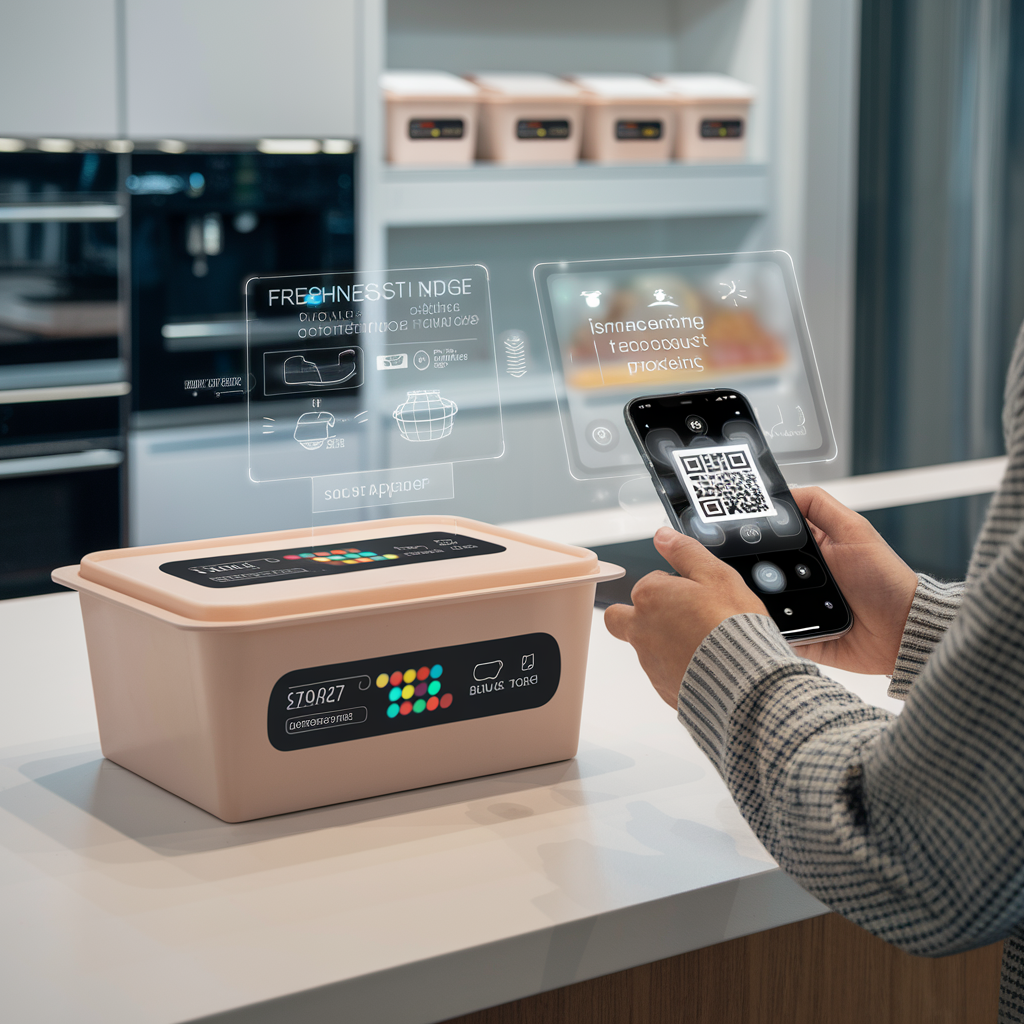
QR codes remain the most practical version of this for smaller brands — a printed code linking to provenance information, a reorder page, a loyalty sign-up or a care guide. The technology is cheap; the thinking behind where the code sends people is what makes it work.
What it means for you: if you want a QR code on your packaging, send the destination URL with your artwork so it can be tested on the proof rather than discovered broken after the run.
4. Functional indicators for freshness
Colour-changing indicators and gas sensors that signal spoilage are reducing food waste and building trust in food retail. Still mostly the territory of larger food producers, but worth tracking if you sell perishables.
5. Minimalist and transparent design
Clean layouts, generous whitespace, clear labelling and honest material choices continue to outperform busy designs. On a printed bag this usually means one strong logo, one or two colours, and enough empty space for the mark to breathe — which also prints more cleanly and costs less than full-bleed artwork.
6. Flexible and convenient formats
Lightweight, resealable and portable formats keep growing, driven by e-commerce and food delivery. For most independent brands this shows up as mailer bags, printed takeout packaging and right-sized boxes rather than anything exotic.
7. Packaging as the brand’s last impression
The most durable trend is the least technical one. A branded bag or box is the final physical thing a customer takes away, and often the only piece of your marketing they carry into the world. Brands that treat it as an afterthought lose that moment; brands that treat it as part of the product get repeat impressions they never paid for again.
Final thoughts
You do not need to chase every trend on this list. For most small retail, restaurant and e-commerce businesses, the wins in 2026 are unglamorous: choose a recyclable material, keep the design simple enough to print cleanly, size the packaging to the product, and get a proof before anything goes to press.
Thinking about your next run? Request a free quote and tell us what you are packaging — we will talk through materials, sizes and minimums before you commit to anything.